Source Stainless Steel Fidget Spinner Ring for Gifts, Weddings, Decorations
Compare 30 stainless steel fidget spinner ring options from verified suppliers in China. Buyers can review ring sizes, colors, customization, and pricing details for wholesale jewelry needs.
Key considerations
Products List
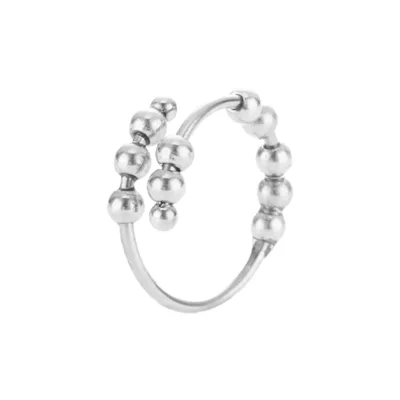

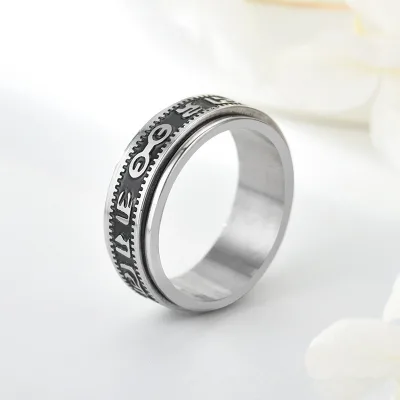

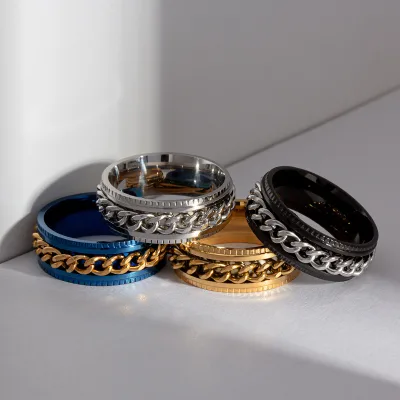
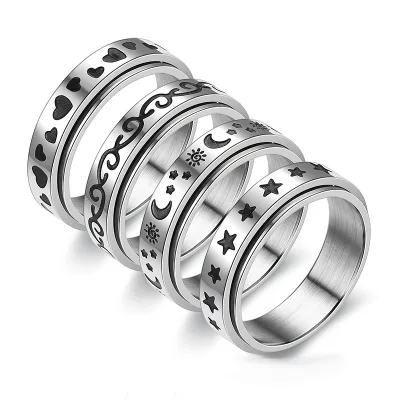


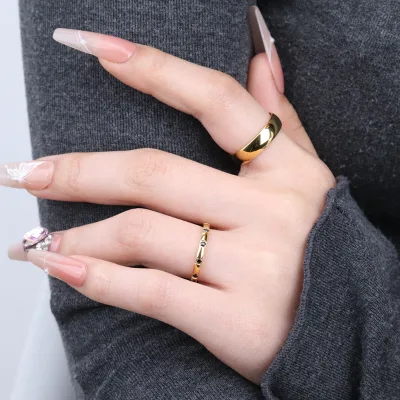
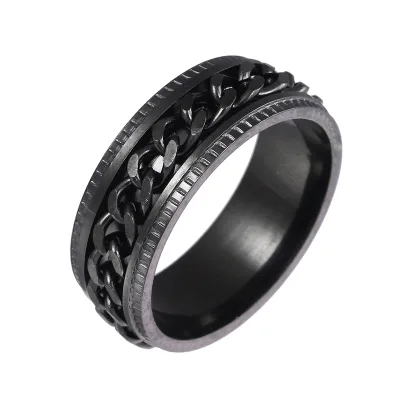
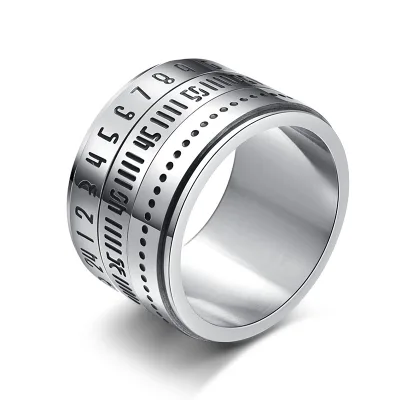

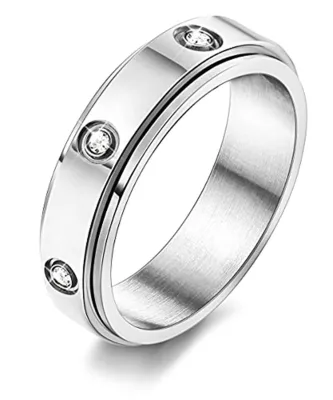


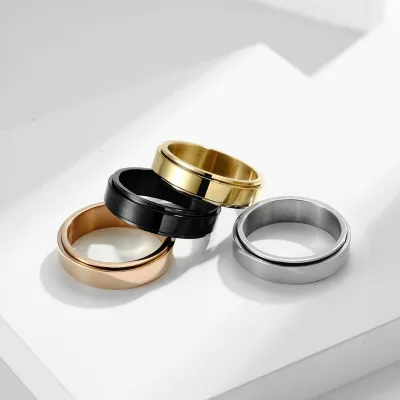
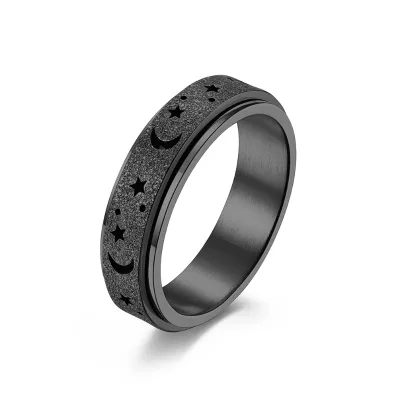
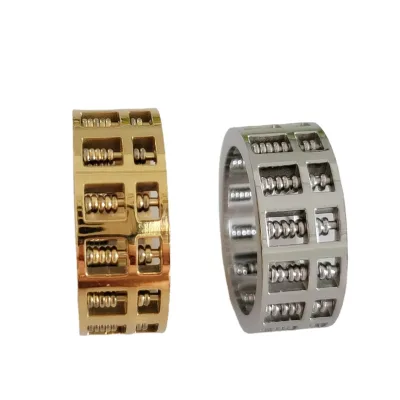
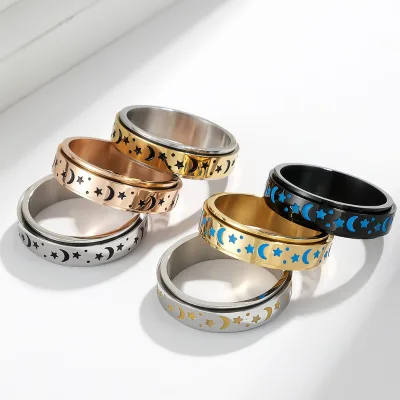

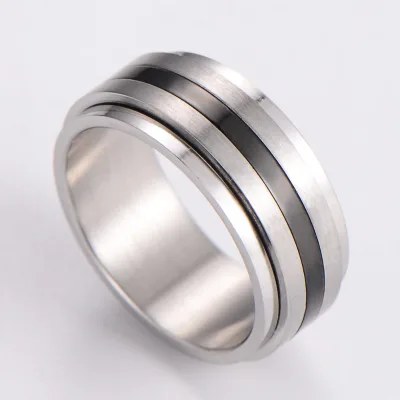

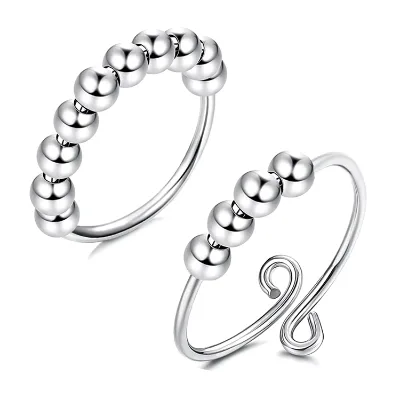
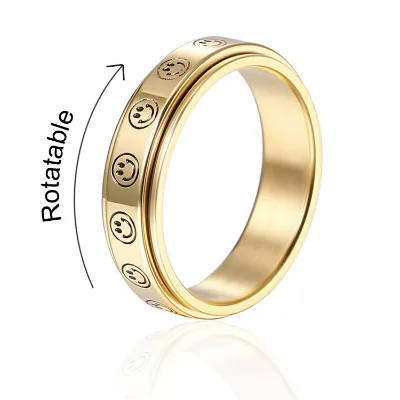


Comprehensive Sourcing Guide
Strategic Sourcing Guide for Stainless Steel Fidget Spinner Rings
The global market for functional jewelry has expanded significantly, driven by consumer demand for accessories that combine aesthetic appeal with tactile utility. Among these innovations, the stainless steel fidget spinner ring has emerged as a distinct category, merging the mechanics of a fidget toy with the permanence of a wearable ring. For B2B buyers, distributors, and wholesalers, sourcing this product requires a disciplined approach that balances technical specifications with supply chain reliability. This guide outlines the critical factors for evaluating suppliers and products, ensuring that procurement decisions are grounded in verifiable data rather than marketing assertions.
Technical Specifications and Material Integrity
The foundation of a high-quality fidget spinner ring lies in its material composition and mechanical design. The primary material observed in the current market is stainless steel, a choice driven by its durability, corrosion resistance, and hypoallergenic properties. Unlike base metals that may tarnish or cause skin irritation, stainless steel provides a robust substrate for the spinning mechanism. The fabrication process typically involves electroplating or high polishing to achieve a finished surface that resists wear and maintains its luster over time.
Ring dimensions vary significantly across different product models, requiring precise verification during the sourcing phase. Available specifications indicate a wide range of sizing options, including specific numeric sizes such as 5, 6, 7, 8, 9, 10, 11, 12, 13, and 14, as well as designated sizes like 6#, 7#, 8#, 9#, 10#, 11#, and 12#. This variability suggests that successful sourcing requires a supplier capable of managing multiple SKUs or a modular sizing system. Furthermore, the physical dimensions of the ring itself are critical; some models adhere to standards such as 7.3cm for specific components, while packaging standards may dictate dimensions like 6x6x1 cm. Buyers must confirm that the internal bearing mechanism of the fidget spinner is integrated seamlessly with the ring band, ensuring that the spinning action is smooth and does not compromise the structural integrity of the ring.
Design Aesthetics and Customization Capabilities
Visual appeal and customization options are paramount for B2B buyers targeting diverse retail segments. The market offers a broad spectrum of design attributes, ranging from fashion-forward styles to specific thematic shapes. Observed design categories include "Fashion," "Rings," and specific shapes such as "Round" and "Flower." Color options are equally varied, with listings indicating availability in Silver, Gold, Black, Rose Gold, and Colorful variations. Some suppliers offer specific color codes or thematic designs, such as "#1-Star Moon," "#2-Sun Flower," "#3-Lighting," "#4-Cat," and "#5-Dot," allowing for targeted marketing to niche audiences.
Customization is a key differentiator in this sector. Many suppliers indicate that customization is available, welcoming OEM (Original Equipment Manufacturer) and ODM (Original Design Manufacturer) requests. This includes the ability to apply logos via laser engraving or standard engraving techniques. For buyers looking to create private label products, the ability to modify the ring's color, shape, and branding is essential. The packaging also plays a role in the final product presentation, with options ranging from simple OPP bags to more premium OPP bags combined with boxes. Buyers should verify the flexibility of the supplier's design team to accommodate specific branding requirements without compromising the mechanical function of the fidget spinner.
Compliance, Safety, and Quality Standards
Safety and compliance are non-negotiable when sourcing jewelry intended for direct skin contact, especially for products designed for children or sensitive users. The primary safety concern with metal jewelry is the presence of harmful substances such as lead and nickel. High-confidence data indicates that reputable manufacturers offer products that are lead-free and nickel-free. This attribute is critical for meeting international safety standards and avoiding regulatory hurdles in major markets like the European Union and North America.
Buyers must rigorously verify the testing protocols of potential suppliers. While specific certification documents are not listed in the general product attributes, the claim of being "Lead-Free and Nickel-Free" should be backed by third-party laboratory test results. Buyers should request certificates of analysis (CoA) or test reports from accredited laboratories to confirm that the electroplating process and the stainless steel base do not leach harmful metals. Additionally, the "prod_standard" of 7.3cm and packaging dimensions of 6x6x1 cm suggest a level of standardization in production, but these should be cross-referenced with the specific safety regulations of the destination market. Ensuring that the product meets the relevant safety standards for jewelry is a prerequisite for long-term market viability.
Cost Drivers and Pricing Dynamics
Understanding the cost structure of stainless steel fidget spinner rings is essential for maintaining healthy profit margins. The observed price range in the market spans from $0.13 to $12.00 USD, a wide disparity that reflects differences in material quality, design complexity, and order volume. The lower end of the spectrum likely corresponds to basic models with simple electroplating and standard packaging, while the higher end may include intricate designs, custom branding, or premium finishes.
Several factors influence the final unit cost. The Single Gross Weight of the product is a significant driver, with observed weights ranging from 3.5g to 7g. Heavier rings generally require more raw material, directly impacting the cost. Additionally, the complexity of the fabrication process, such as high polishing or specialized electroplating, adds to the manufacturing expense. The Minimum Order Quantity (MOQ) also plays a crucial role; observed MOQs range from 1 to 5,888 units, with some specific models requiring a minimum of 50 pieces. Buyers must balance the need for inventory depth against the per-unit cost savings associated with larger orders. It is advisable to request a detailed price breakdown that accounts for material costs, labor, plating, and packaging to ensure transparency in the pricing structure.
Supplier Evaluation and Operational Capabilities
Selecting the right supplier involves more than just comparing prices; it requires a holistic assessment of their operational capabilities and reliability. The origin of the products is predominantly China, with specific mentions of Guangdong as a manufacturing hub. This region is known for its established jewelry manufacturing infrastructure, but buyers should still conduct due diligence to ensure the supplier has the capacity to meet demand.
Key operational metrics to evaluate include sample availability and lead times. Some suppliers offer free samples with fast delivery within one day, which is an excellent indicator of logistical efficiency and responsiveness. This capability allows buyers to physically inspect the product quality before committing to a large order. Furthermore, the supplier's willingness to accommodate different order sizes, from small test runs to bulk wholesale orders, is a sign of flexibility. Buyers should also assess the supplier's experience with specific product types, such as "Prime Ring" or "Unisex" jewelry, to ensure they understand the nuances of the fidget spinner mechanism. A supplier that welcomes OEM and ODM requests demonstrates a commitment to partnership and long-term collaboration.
Quality Control and Long-Term Procurement Strategy
Implementing a robust quality control (QC) strategy is vital for mitigating risks associated with mass production. Given the mechanical nature of fidget spinner rings, the spinning mechanism must be tested for smoothness, durability, and noise levels. Buyers should establish clear acceptance criteria for the spinning action, ensuring that the ring does not wobble or become stuck after repeated use. The "High Polishing" and "Electroplating" processes should be inspected for consistency, with no visible defects such as scratches, bubbles, or uneven coloration.
For long-term procurement, building a relationship with a supplier who offers consistent quality and reliable lead times is more valuable than chasing the lowest price. The availability of free samples and fast delivery suggests that some suppliers are well-positioned to support rapid market entry. However, buyers should also consider the scalability of the supplier's production lines. As demand grows, the ability to maintain quality standards while increasing output is critical. Regular audits, third-party inspections, and clear communication channels regarding product specifications and changes will help maintain a stable supply chain. By focusing on these strategic elements, buyers can secure a steady supply of high-quality stainless steel fidget spinner rings that meet market demands and brand standards.
Application Scenarios and Market Positioning
The versatility of stainless steel fidget spinner rings allows for diverse application scenarios, making them suitable for various market segments. The "Usage" attributes indicate that these products are designed as gifts, wedding favors, and decorative items. Their unisex design and fashion-forward aesthetics make them appealing to a broad demographic, from children seeking sensory relief to adults looking for unique accessories. The "Gift" usage category suggests that these rings are often purchased in bulk for corporate events, promotional campaigns, or special occasions.
The "Prime Ring" classification implies a positioning as a high-quality item within the jewelry category, potentially commanding a premium price point compared to standard fashion rings. The ability to customize the design and logo further enhances their utility as promotional merchandise. Buyers should consider the target audience when selecting specific models; for instance, a "Flower" shape or "Star Moon" design might appeal more to a younger demographic, while a simple "Round" or "Smooth" design in Silver or Gold might target a more mature audience. Understanding these nuances allows buyers to curate a product mix that aligns with their specific customer base and marketing strategy.
Comparative Analysis of Product Attributes
To facilitate decision-making, the following table summarizes the key attributes observed in the market for stainless steel fidget spinner rings. This comparison highlights the variability in specifications and helps buyers identify the features most relevant to their procurement needs.
| Attribute Category | Observed Variations | Key Considerations for Buyers |
|---|---|---|
| Material | Stainless Steel | Verify alloy grade and plating thickness for durability. |
| Ring Size | 5-14, 6#-12#, 6-8, 7-13 | Ensure supplier can provide a full size run or specific subsets. |
| Color Options | Silver, Gold, Black, Rose Gold, Colorful, White | Confirm color consistency and availability of custom shades. |
| Design/Shape | Round, Flower, Fashion, Prime Ring | Assess design complexity and manufacturing feasibility. |
| Weight | 3.5g, 4g, 5g, 7g | Heavier weights may indicate higher material costs and perceived value. |
| Packaging | OPP, OPP Bag/Box | Determine if packaging needs to be upgraded for retail presentation. |
| Customization | Logo (Laser/Engraved), OEM/ODM | Verify minimums for custom orders and design turnaround times. |
| Safety | Lead-Free, Nickel-Free | Request third-party test reports to validate safety claims. |
| Origin | China, Guangdong | Consider logistics costs and lead times based on specific location. |
By systematically evaluating these attributes, buyers can navigate the complexities of the stainless steel fidget spinner ring market with confidence. The combination of technical precision, safety compliance, and design flexibility makes this product category a viable opportunity for B2B procurement, provided that suppliers are selected based on rigorous criteria and verified data.
FAQs
What materials are used for stainless steel fidget spinner rings?
The primary material is stainless steel, ensuring durability and corrosion resistance. These rings often feature electroplating or high polishing for a finished surface that resists wear while maintaining hypoallergenic properties for skin contact.
Which ring sizes are available for this product?
Available sizes range numerically from 5 to 14 and include designated sizes like 6# through 12#. Buyers should verify specific model availability as sizing options vary across different product models and suppliers.
Can buyers request custom logos or designs?
Yes, customization is available with options for laser or engraved logos. Suppliers also welcome OEM and ODM requests, allowing modifications to color, shape, and branding to meet specific private label requirements.
How are the rings packaged for shipment?
Packaging typically uses OPP bags, with some options including OPP bags combined with boxes. The specific packaging standard may vary, with some models adhering to dimensions like 6x6x1 cm for efficient storage and transport.
What safety standards do these rings meet?
Reputable products are tested to be lead-free and nickel-free to ensure safety for skin contact. Buyers should request third-party test reports to confirm compliance with international safety regulations for jewelry.
What is the typical minimum order quantity?
The minimum order quantity ranges from 1 to 5,888 units depending on the supplier and model. Some specific models may require a minimum of 50 pieces, while others allow for smaller test runs.
Where are these rings manufactured?
Products originate from China, with specific manufacturing hubs located in Guangdong. This region offers established infrastructure for jewelry production, though buyers should verify specific supplier capabilities and locations.
What is the price range for these rings?
The observed price range spans from 0.13 to 12 USD per unit. Costs vary based on material quality, design complexity, packaging, and order volume, with heavier rings generally costing more due to material usage.